
Your healthcare and wellness news from the United Kingdom
Provided by AGP
Working Together to Keep Saskatchewan Waters Healthy
CANADA, May 12 - Released on May 12, 2026
Saskatchewan's Aquatic Invasive Species (AIS) Awareness Week will take place from May 11 to May 15, providing an opportunity to learn how to protect our province's lakes and rivers from invasive species.
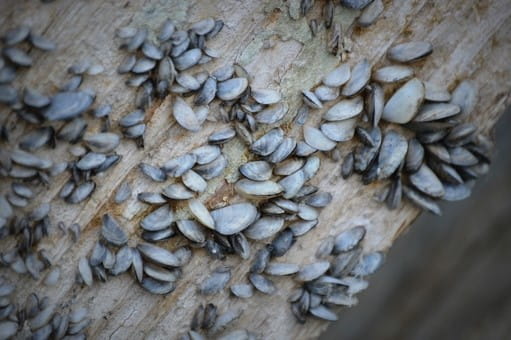
Aquatic invasive species are plants, fish and diseases that are not native to an area and can cause significant harm to the environment, economy and recreational opportunities. These species are often spread unintentionally through activities such as boating, fishing and water recreation. Once established, invasive species like zebra and quagga mussels are extremely difficult to eliminate.
In addition to their environmental impacts, high-risk species such as zebra and quagga mussels also pose significant economic risks by affecting critical infrastructure related to power generation, irrigation, and municipal and industrial surface water use. Alberta and British Columbia estimate annual management costs associated with zebra or quagga mussels could reach up to $100 million should the species become established.
Saskatchewan is home to thousands of lakes and rivers that support recreation, tourism and local communities. Preventing the introduction and spread of AIS remains a top priority for the Ministry of Environment.
"Protecting Saskatchewan's lakes and rivers is a shared responsibility," Environment Minister Darlene Rowden said. "Aquatic Invasive Species Awareness Week is an important reminder to always Clean, Drain and Dry your watercraft and all water related equipment. Together, we can keep our waterways healthy, accessible and free from invasive species."
In 2025, the ministry continued its strong prevention efforts through the Watercraft Inspection Program, inspecting over 4,000 watercrafts across the province. Upon inspection, more than 750 boats were not cleaned, drained and dried, resulting in the ministry having to complete decontaminations on each one.
Residents and visitors play a critical role in protecting Saskatchewan waters by following the Clean, Drain and Dry method after every use of watercraft and equipment. This includes boats, trailers, kayaks, canoes and paddleboards; and equipment such as docks, barges and other equipment coming in contact with surface water.
- Clean all plants, animals and mud from watercraft and equipment.
- Drain all water from bilges, live wells and motors.
- Dry everything thoroughly before entering another waterbody.
Each summer, residents and visitors will see watercraft inspection stations set up at key locations throughout Saskatchewan, enabling officers to inspect watercraft and equipment to ensure they are free of aquatic invasive species.
Motorists transporting watercraft are required by law to stop at all open inspection stations. Provided your watercraft is cleaned, drained and dried, inspections are quick - typically taking only a few minutes. By stopping at an inspection station and working together, Saskatchewan can continue to prevent the spread of aquatic invasive species and protect our waters for generations to come.
Additionally, Innovation Saskatchewan and the Ministry of Environment will launch the 2026 Innovation Challenge focused on Aquatic Invasive Species. The challenge will invite innovators to develop novel technology-based solutions to help protect Saskatchewan's waters, with more details to be released soon.
Members of the public can also help to monitor Saskatchewan for AIS through the Adult Invasive Mussel Monitoring (AIMM) program.
If you see an aquatic invasive species, please immediately report it to ReportAIS@gov.sk.ca.
For more information, visit: Aquatic Invasive Species | Invasive Species | Government of Saskatchewan.
-30-
For more information, contact:
Media Relations
Environment
Phone: 306-953-2459
Email: envmedia@gov.sk.ca
For public inquiries:
Ministry of Environment Inquiry Line
Regina
Email: centre.inquiry@gov.sk.ca
Legal Disclaimer:
EIN Presswire provides this news content "as is" without warranty of any kind. We do not accept any responsibility or liability for the accuracy, content, images, videos, licenses, completeness, legality, or reliability of the information contained in this article. If you have any complaints or copyright issues related to this article, kindly contact the author above.
